

- cross-posted to:
- [email protected]
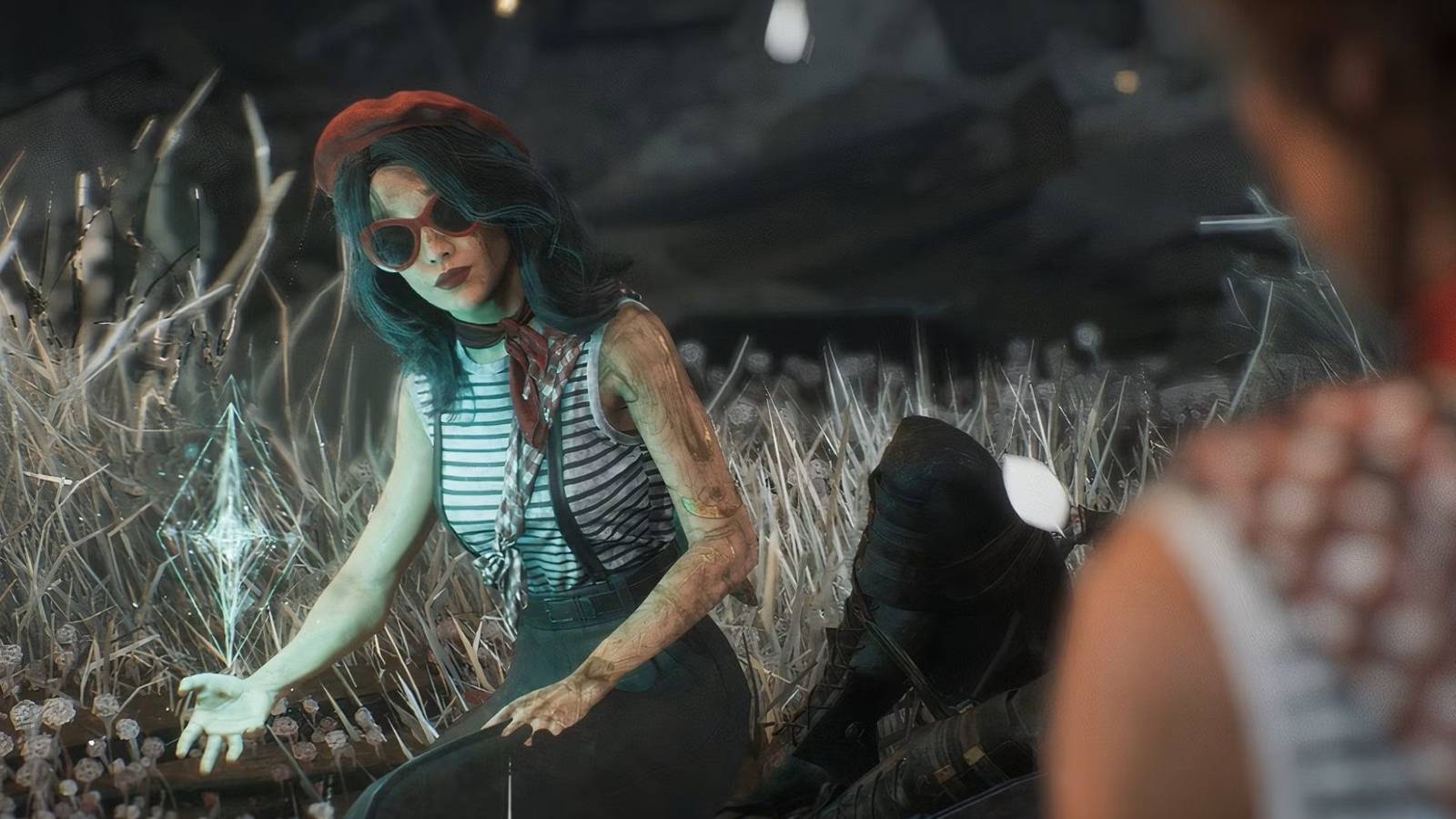
The gaming world appeared ablaze after the Indie Game Awards announced that it was rescinding the top honors awarded to RPG darling Clair Obscur: Expedition 33 due to the use of generative AI during development. Sandfall Interactive recently sat down with a group of influencers for a private interview session, where the French studio was probed about recent AI controversies. Game director Guillaume Broche clarified some of the misinformation surrounding the studio and reiterated what other Sandfall developers have said about generative AI usage during interviews held earlier in the year.
Transcription of the Q&A comes courtesy of gaming content creator Sushi, who was one of the handful of influencers who were present at the session. Twitch streamer crizco prefaced his question by recounting the storm surrounding Baldur’s Gate 3 developer Larian Studios’ admission about using generative AI during game development.
They used it to create placeholders during development. It wasn’t something they decided not to use before. It’s just something that was meant to be replaced. Usually these placeholders are a missing texture image or just a magenta texture, but they used generative AI to create something that fit into the world. Because it fit they forgot to replace it.
Honestly, I’m not opposed to this usage. It’s not like it’s replacing an artist. No one was going to create a placeholder to be replaced. However, it is obvious to see that occasionally you’ll forget to replace items with this technique, like we saw here. The old style of incredibly obvious placeholders were used for a reason; so that you can’t forget to replace them. It’s probably smart to keep doing this.
I agree with almost everything here, I think using LLMs to generate placeholders is fair game and allows studios to nail down the feeling of the game sooner. That being said there’s one thing I disagree:
There are ways to ensure you don’t forget, things like naming your placeholders placeholder_<name> or whatever so you ensure there are no more placeholders when you make the final build. That is the best way to approach this because even extremely obvious placeholders might be missed otherwise, since even if you have a full QA team they won’t be playing every little scene from the game daily looking for that, and a few blank/pink/checkered textures on small or weird areas might be missed.
I think it’s okay for studios to use generative AI for placeholders, but if one of them makes it to the release you screwed up big time. And like I said there are ways to ensure you don’t, it’s trivial to make a plugin for any of the major engines (and should be even easier if you’re building the engine yourself) where it would alert you of placeholders in use at compile time.
I don’t disagree that there are ways to add protections. It’d require strict compliance still though or things could fall through the cracks. Even when using the classic placeholders things have been missed on occasion. The only 100% reliable way to avoid shipping any generative AI content is to never include it in the project.
Again, I don’t think the usage here was bad. I think the reaction to one piece of generative AI art, which was replaced within a week, has been too severe. I’m just saying that if you really want to make sure you don’t ship any of it, just don’t ever include any. The old methods were perfectly fine, even if they made development look less pretty.
That’s just ridiculous standards when you apply them to a small team doing their best to pump out a unique piece of art. Yeah sure you can add a million processes to avoid inconsequential things like that but that’s time you can’t spend on making a good game. Zero value except for appeasing superstitious busybodies…
Dude, naming the textures placeholder_<name> doesn’t take any more time and ensures you won’t ship a game with a placeholder. This is, or at least should be, common practice even without using LLMs, and only takes a couple of seconds, not enough to cause any inconvenience.
Every process can be theoretically simple but they never have zero impact. So you come up with this process and some other guy comes up with another, there’s an infinity of things that are simple and quick. Imagine the uber-crunch a small team needs to go through to produce an AA title. It’s just cruel to just come up after the fact and be like “oh yeah you could have done this and that on top of your actual work, it would have added zero quality to the finished product but it’s oh so important to a few people”.
Like… When will gamers ever respect workers giving it their all? They’re just human ffs.
The solution I’m talking about should already be the standard by most devs (especially small studios), even before LLM was a thing. See, small teams can’t afford QA, at least not to the same extent as big studis, so they need to add checks to stuff in a way that catches large problems, and a placeholder making it into the final game is a big problem. Even before generated images were a thing devs would just use any random image they had that more or less worked, and those images could have copyright or be problematic in any other way, so ensuring none of that made it into the final release has always been important.
I mean, it’s a completely reasonable habit that prevents issues of this kind, i’m not disputing that. It’s part of a million little discipline things that will make your life better for an insignificant cost. But it’s also not a big deal and if you start caring about that then you should also care about all the other things that “should already be the standard by most devs”. And then where will you find the time and energy to punch above your weight class and release a masterpiece ? When you engage in that sort of task, you always have to neglect stuff that “should be the standard”. It’s cool and people should be cool about it IMO. Nobody’s gonna love you for being super rigorous about your file naming schemes and never being lazy, they’ll love you cause you have good ideas and work them hard.
I don’t find it nice when the internet is always back-seating every little aspect of what creators do, and being super demanding as if they were a mega corp with infinite resource and not a small group of every day people trying their really best to push out something great in a reasonable time-frame while not burning out. Maybe that’s not what you’re doing, man, it’s just one of my pet peeves.
The argument is one of craft, discipline, and rigor at a certain point.
This is just sloppy craftsmanship.
You either take your craft seriously or it’s just commodity. You eventually have to lean into one over the other.
I guess that’s where we disagree. I’d rather have sloppy talented bastards than little robots. One Kurt Cobain over a million Joe Satrianis, any time of the year.
You can train a monkey to be rigorous, I’m sure at EA sports they’re really disciplined with their file naming but I’m not gonna play their games to find out.