

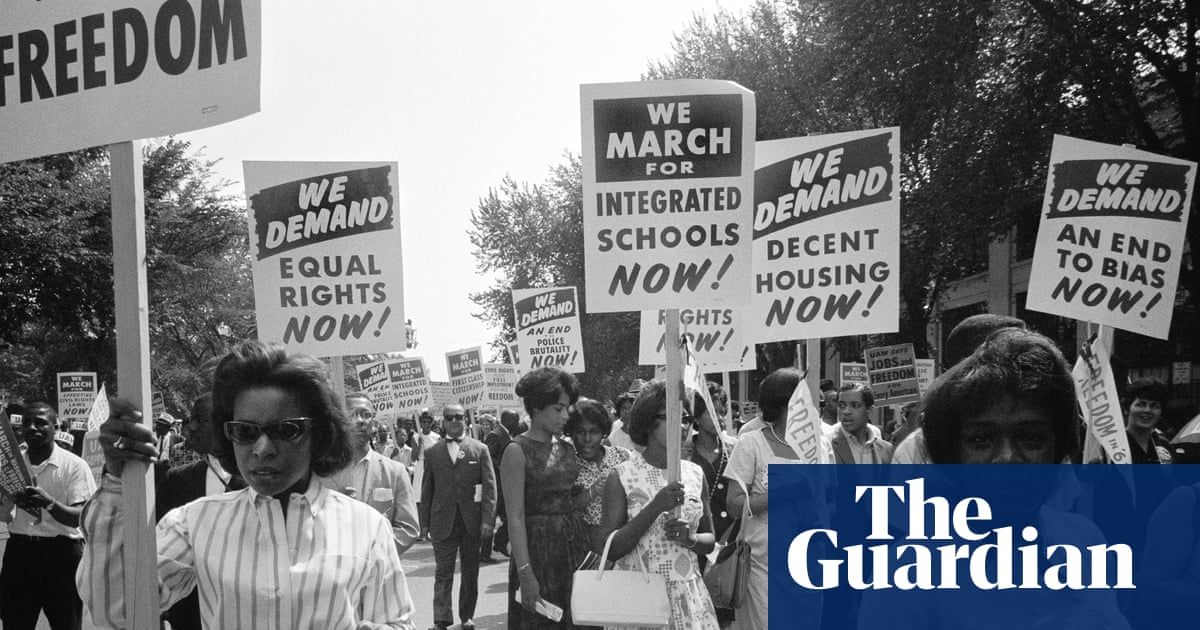
According to the often-cited 3.5% rule, if 3.5% of a population protests against a regime, the regime will fail. Developed by political scientists Erica Chenoweth and Maria Stephan, who researched civil resistance campaigns from 1900 to 2006, the rule has seen renewed interest in leftist circles recently, especially with No Kings protests attracting historic numbers.
…
This shows the outsize impact a single protester can have, the study’s authors say. That’s because having one more attender at a demonstration rallies more support for a political cause than acquiring one more vote during an election does.
…
In the context of civil rights, the movement’s ability to elicit violence from its opponents – such as in 1965, when armed police violently attacked peaceful protesters crossing the Edmund Pettus Bridge in Selma, Alabama – only strengthened public support for the cause. “When the state is perceived as engaging in excess use of force, that tends to generate very sympathetic coverage, and that drives concern,” explained Wasow.
Especially when protests are how affinity groups are made.
People usually don’t just go from the couch to getting an AK and marching on the capital unless something drastic happens. The goal of all tyrants is to minimize the odds of that happening. Protests are a form of escalation. It increases buy in and majesty the protestors feel they have increased odds of actual support should things escalate. It’s the staging ground from which escalation occurs.
The blm protests each began peacefully and most remained so. They didn’t get everything they wanted but they did demonstrate a capacity to change narratives and to force opposition to expend resources to counter those narratives. The biggest failure there is that there wasn’t significant pushback to the pushback.
That’s a completely reasonable take, but the article (and most of the comments here) aren’t arguing that; they’re arguing that protests on their own are are likely to lead to political or social change and therefore further escalation is not necessary, which is of course complete baloney. Now back to reality, what does your argument say about protests in America right now, where no significant escalation has occurred since April (save for that week or so period in Los Angeles back in June)?