

- cross-posted to:
- [email protected]
- cross-posted to:
- [email protected]
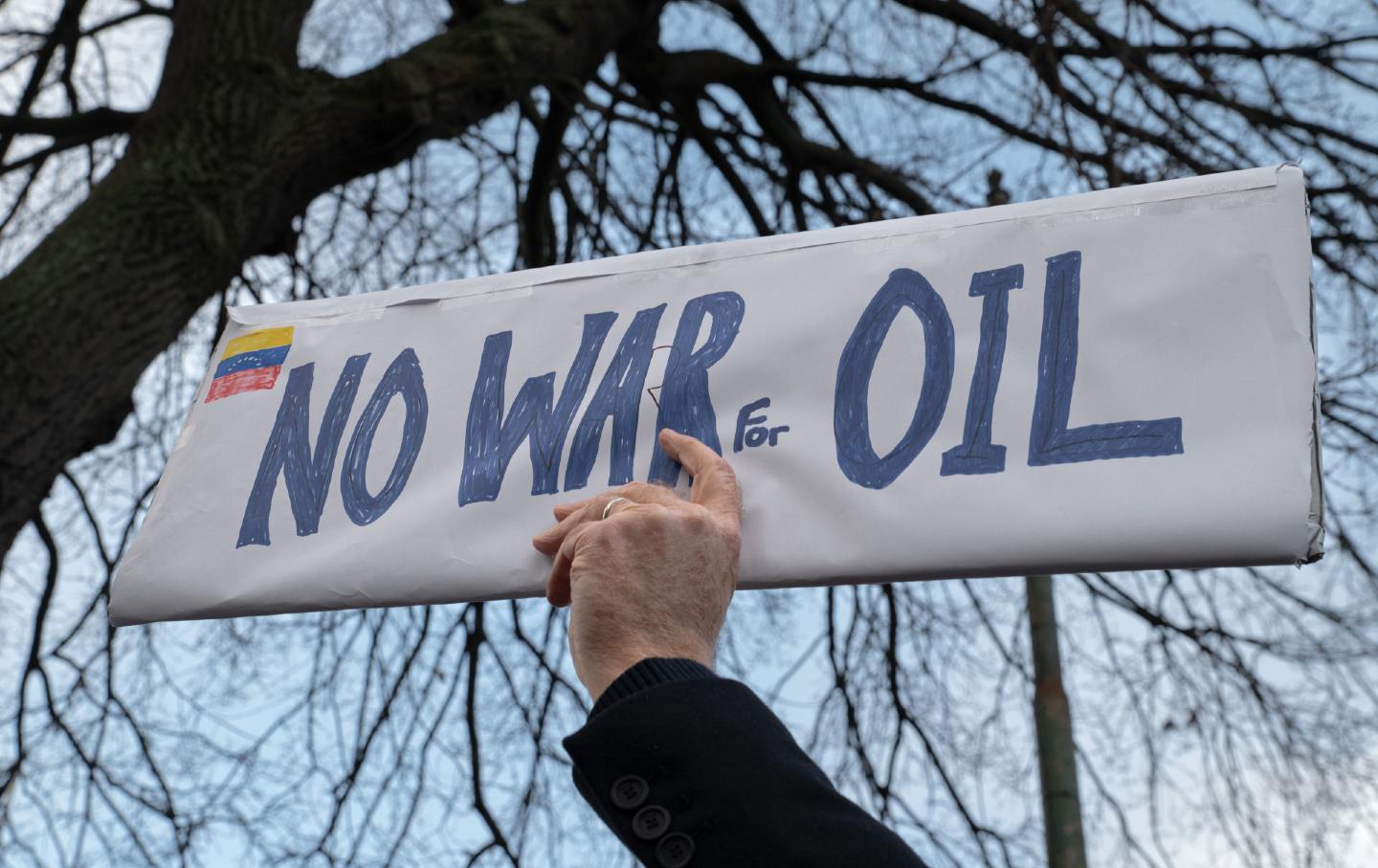
“Petrostate” is a term usually applied to countries like Saudi Arabia, Russia, or Nigeria, where the production and, crucially, the export of oil and gas are fundamental to the domestic economy and foreign policy. Rarely, however, is the term applied to the world’s oldest, richest, and mightiest petro-state. That distinction belongs to the United States, which a few days ago attacked a fellow petro-state, Venezuela, with the announced aim of seizing control of its oil operations. Oil is clearly at the heart of the Venezuela story, which means that climate change is as well.
Although most coverage has neglected the climate angle, a Guardian article published on January 6 offered an illuminating exception. Noting that Venezuela holds the world’s largest known oil reserves, The Guardian reported that “even raising production to 1.5m barrels of oil a day from current levels of around 1m barrels would produce…more carbon pollution than what is emitted annually by major economies such as the UK and Brazil,” citing University of California, Santa Barbara, professor Paasha Mahdavi. That, Mahdavi said, would be “terrible for the climate.”
The United States has been a petro-state since long before Donald Trump came to power, under Democratic and Republican presidents alike. It was under Democratic Presidents Barack Obama and Joe Biden that the United States regained its position as the largest annual producer of oil and exporter of gas. Oil company CEOs populated the cabinets of Republicans George H.W. Bush and George W. Bush (whose family wealth was built on fossil fuels).
I think you mean “Violent Pedo-State”