If it’s going 30+ mph on a path or a crosswalk then it’s not a regulation-compliant e-bike. You might be seeing e-motos, and mentally categorizing them as e-bikes. We all want extra requirements on vehicles that go 30+ mph.
E-bikes are regulated. They are required to max out at 20 mph, or 28 mph. (Where I live in California the class 3 28 mph bikes are not allowed on mixed use trails, and are only allowed for ages 16 and up.) We are on board with regulation exactly because we want it to go in a beneficial direction. I don’t think requiring a driver’s license and insurance, and cutting out young teenagers is a beneficial direction. No, we don’t want dangerous vehicles zooming around without accountability. That’s why e-bike advocates came up with the 20 mph limit in the first place!
We don’t want restrictions on bikes, because bikes get people outside, and reduce dependence on cars. E-bikes are bikes that work in places with hills, or in situations where long distances make unassisted cycling prohibitive for people who are not athletes.
One more note I’ll add about cargo bikes is why I don’t think of them as motor vehicles: everything you can do on a cargo e-bike you can do on a non-motorized bike - on flat ground. A cargo e-bike is a cargo bike that works on hills.
There are two groups who are hit hard by licensing and insurance requirements: people with low income, and kids.
People with low income will struggle with any additional cost. A couple hundred bucks, insurance - even if it won’t cost very much from some people’s perspective - is a burden. E-bikes can be a livelihood, like for delivery drivers in cities. Even if it’s not a livelihood, everyone needs transportation.
The New Jersey law flat-out prohibits kids under 15 years old from riding e-bikes. Kids 15 or 16 now need a motorized bike license. Kids are not getting out or socializing enough these days. E-bikes help change that. My 14-year-old rides a class 1 e-bike to school. Before getting that bike he spent most of his time on weekends at home, mostly in front of a screen. We live in a car-dependent society where everything is miles apart. Public transit in my town is crap. There are big hills that make it impractical for him to get home on an unassisted bike. My kid could only go places when my wife or I had time to drive him. But since getting the bike he goes out on the weekend, and visits friends who live a few miles away. They organize nerf battles. He’s much happier! And no, he’s not going more than 20 mph on that bike. With the NJ law there would have been two years of missing out on those benefits, and then an extra licensing and insurance process after that which is going to reduce the number of kids getting outside. Fewer parents are going to set kids up with bikes if there are extra bureaucratic steps, and if it comes with a recurring insurance cost.
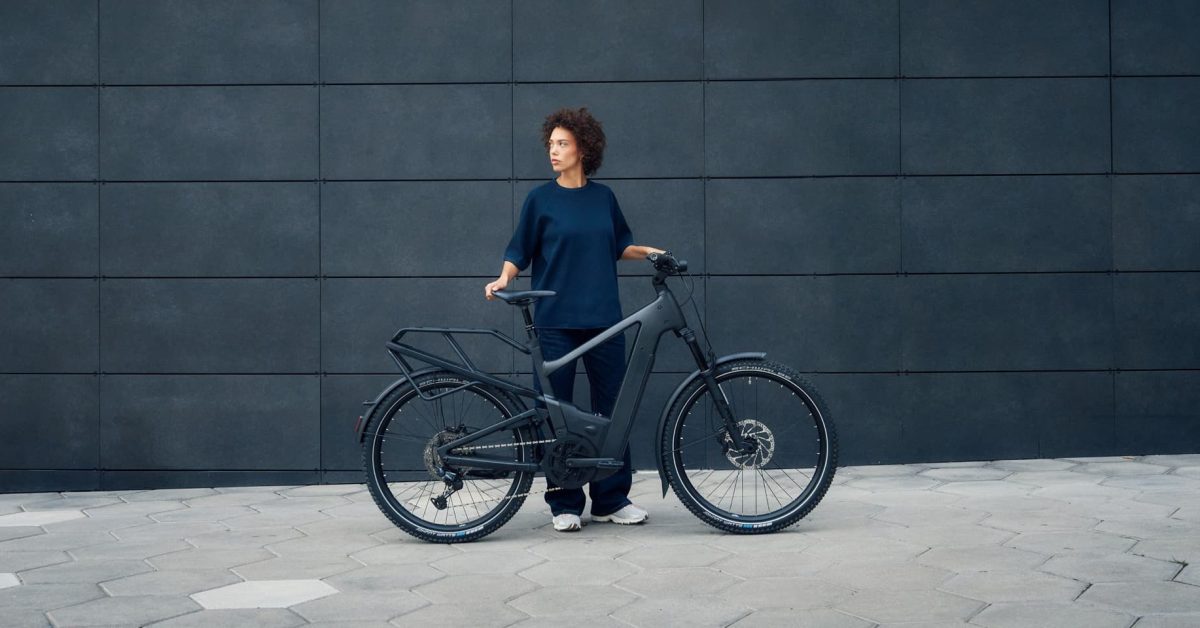
If it’s going 30+ mph on a path or a crosswalk then it’s not a regulation-compliant e-bike. You might be seeing e-motos, and mentally categorizing them as e-bikes. We all want extra requirements on vehicles that go 30+ mph.
E-bikes are regulated. They are required to max out at 20 mph, or 28 mph. (Where I live in California the class 3 28 mph bikes are not allowed on mixed use trails, and are only allowed for ages 16 and up.) We are on board with regulation exactly because we want it to go in a beneficial direction. I don’t think requiring a driver’s license and insurance, and cutting out young teenagers is a beneficial direction. No, we don’t want dangerous vehicles zooming around without accountability. That’s why e-bike advocates came up with the 20 mph limit in the first place!
We don’t want restrictions on bikes, because bikes get people outside, and reduce dependence on cars. E-bikes are bikes that work in places with hills, or in situations where long distances make unassisted cycling prohibitive for people who are not athletes.
One more note I’ll add about cargo bikes is why I don’t think of them as motor vehicles: everything you can do on a cargo e-bike you can do on a non-motorized bike - on flat ground. A cargo e-bike is a cargo bike that works on hills.
There are two groups who are hit hard by licensing and insurance requirements: people with low income, and kids.
People with low income will struggle with any additional cost. A couple hundred bucks, insurance - even if it won’t cost very much from some people’s perspective - is a burden. E-bikes can be a livelihood, like for delivery drivers in cities. Even if it’s not a livelihood, everyone needs transportation.
The New Jersey law flat-out prohibits kids under 15 years old from riding e-bikes. Kids 15 or 16 now need a motorized bike license. Kids are not getting out or socializing enough these days. E-bikes help change that. My 14-year-old rides a class 1 e-bike to school. Before getting that bike he spent most of his time on weekends at home, mostly in front of a screen. We live in a car-dependent society where everything is miles apart. Public transit in my town is crap. There are big hills that make it impractical for him to get home on an unassisted bike. My kid could only go places when my wife or I had time to drive him. But since getting the bike he goes out on the weekend, and visits friends who live a few miles away. They organize nerf battles. He’s much happier! And no, he’s not going more than 20 mph on that bike. With the NJ law there would have been two years of missing out on those benefits, and then an extra licensing and insurance process after that which is going to reduce the number of kids getting outside. Fewer parents are going to set kids up with bikes if there are extra bureaucratic steps, and if it comes with a recurring insurance cost.