It’s a case of " A little knowledge is a dangerous thing " combined with " The difference between theory and practice, is that in theory there is no difference between theory and practice "
If you only know “asbestos is bad!” this is obvs dangerous
If you know “inhaling asbestos fibers is bad” this is maybe NBD
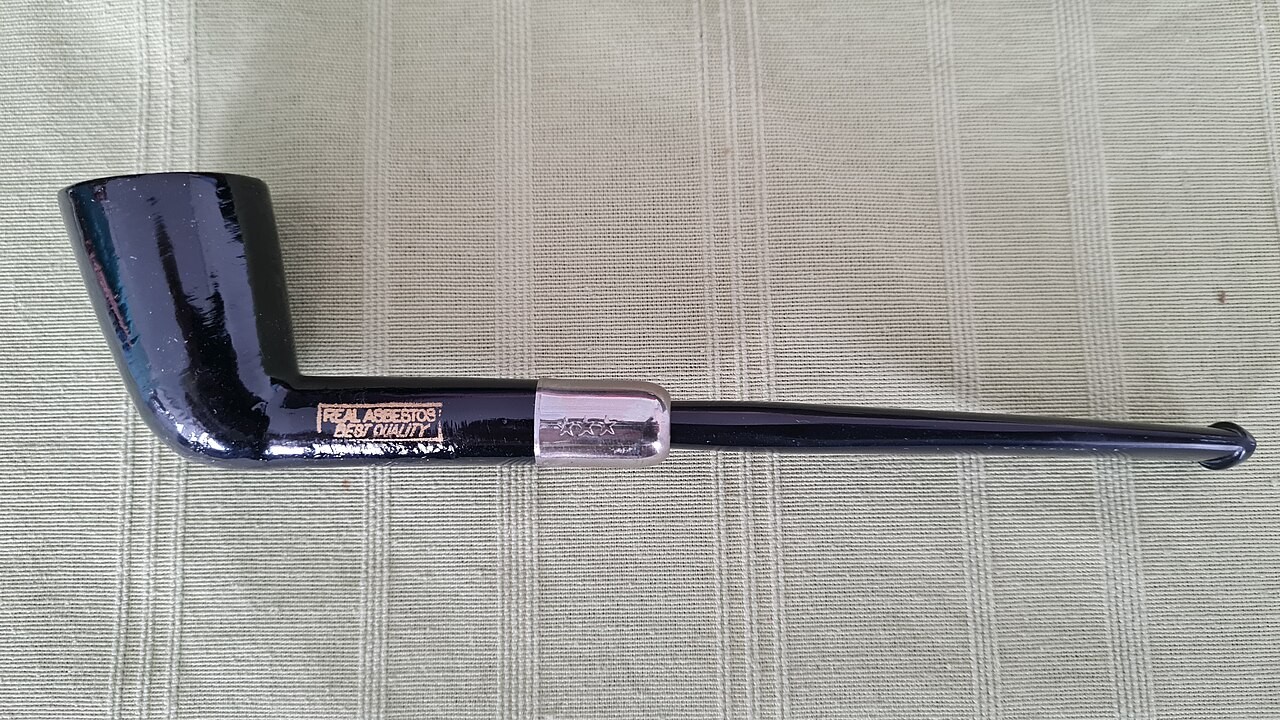
If you’ve ever smoked a pipe often enough to clean it, this is obvs dangerous
(and besides smoking is pre-industrial barbaric; vaping is an elegant weapon for a more civilized age)
I stole it too, enough decades ago that I forget who I heard it from. I think it may have been an old grizzled Chem Engineering professor my first semester of college
Looks like you’re basically right. It’s much better than smoking, but not as good as fresh air.
Quick summary:
Inflammatory Pathways: A 2024 study in the American Journal of Physiology found that regulated cannabis aerosol still induces transcriptomic and metabolomic changes in lung cells. It specifically affects lipid biosynthesis and oxidative stress responses, which are involved in lung repair and function.

Reduced Burden vs. Smoking: Recent human studies (e.g., UC Davis, 2025) indicate that the inflammatory markers in the breath of vapers are significantly lower than those of tobacco or marijuana smokers. Vaping appears to sit in a "middle ground"—cleaner than smoke, but more reactive than non-use.

Fine Particulates: Regulated vapes still produce PM2.5 (ultrafine particulate matter) that can penetrate deep into lung tissue, potentially triggering cardiovascular or respiratory irritation over time.
This.
It’s a case of " A little knowledge is a dangerous thing " combined with " The difference between theory and practice, is that in theory there is no difference between theory and practice "
(and besides smoking is pre-industrial barbaric; vaping is an elegant weapon for a more civilized age)
It’s why with robot training, they add small random variations in the simulation otherwise things don’t work in practice.
… to more closely match what biological brains experience as they learn in the noisy often-chaotic real physical world
I’m stealing that theory and practice quote. That’s great.
I stole it too, enough decades ago that I forget who I heard it from. I think it may have been an old grizzled Chem Engineering professor my first semester of college
Vaping is also horrible for your health, but with different poisons.
Looks like you’re basically right. It’s much better than smoking, but not as good as fresh air. Quick summary: