Nuclear power is non-intermittent and can be used pretty much anywhere. With a push for small-scale reactors, there’s a good chance for smaller places to get their own nuclear power plant, reducing stress on the national grid, and for power plants to be constructed in a much shorter timeframe.
Also, both Russia and China have floating nuclear power plants that can be transported to regions with water access on demand.
Solar and wind are cool, and quite cheap by themselves, but energy storage is a massive and expensive headache and limited placement options mean the grid should be robust enough to accommodate them with minimal power losses.
Interesting. I think it must be just Australia that would have to pay a lot for nuclear energy. I guess other countries have ways of producing it more cheaply.
besides that wind and solar will be the only option soon enough once we run out of uranium and other radioactive reserves. Unless fusion catches up.
Australia has plenty of insolation and most power consumers are packed densely enough not to worry about the upkeep of large grids.
Aside from uranium, we also have a much more plentiful thorium to use as a fission fuel. We definitely are not running out of that. But, thorium power plants can be more expensive, and byproducts of thorium cycle are less valuable, so it’s worth comparing that to running a renewables-based grid again.
I think the liberal party also made the proposal for nuclear energy really bad on purpose in order to avoid it actually having a measurable impact in reducing fossil fuel emissions in the forceable future.


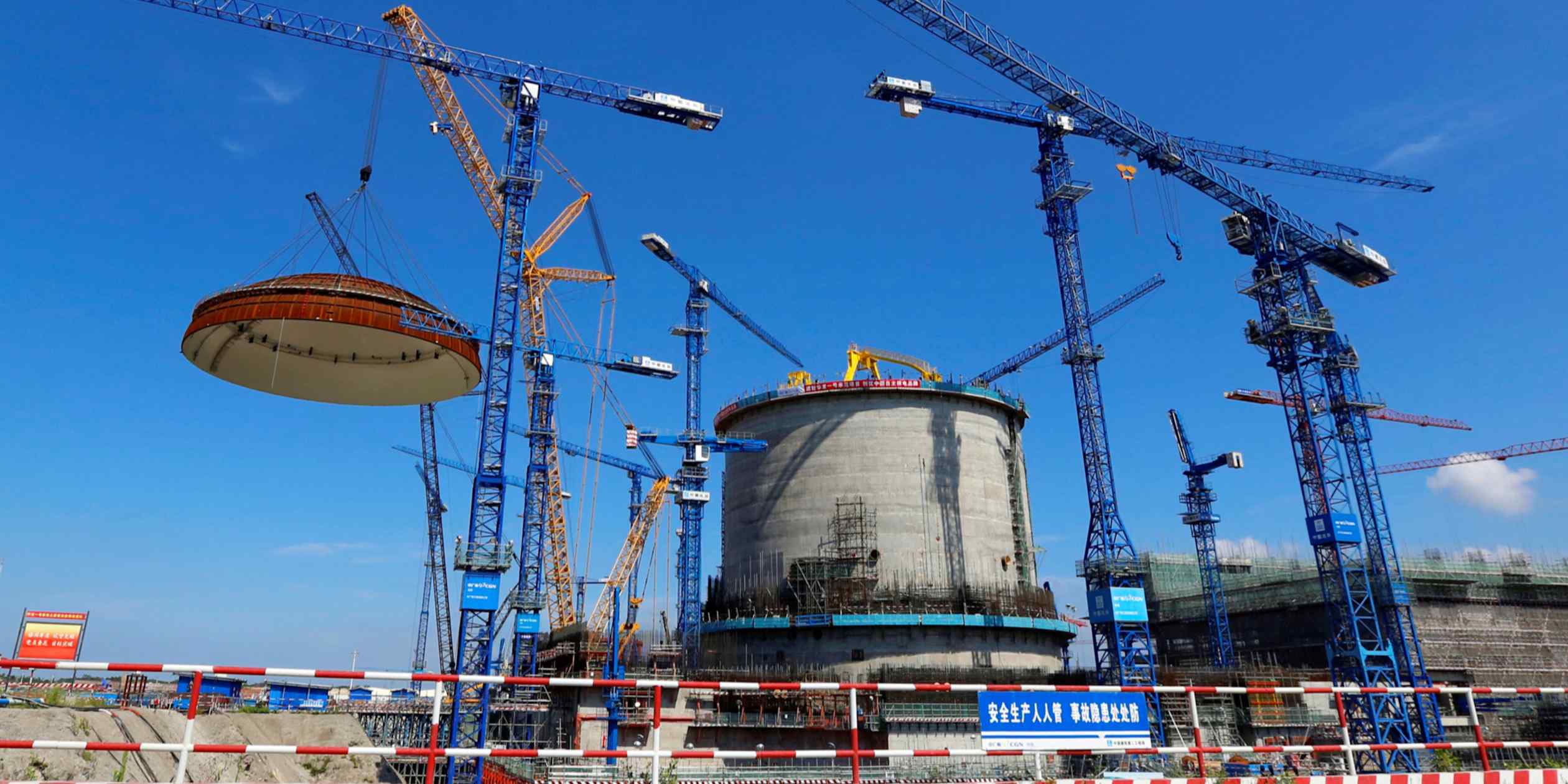
Nuclear power is non-intermittent and can be used pretty much anywhere. With a push for small-scale reactors, there’s a good chance for smaller places to get their own nuclear power plant, reducing stress on the national grid, and for power plants to be constructed in a much shorter timeframe.
Also, both Russia and China have floating nuclear power plants that can be transported to regions with water access on demand.
Solar and wind are cool, and quite cheap by themselves, but energy storage is a massive and expensive headache and limited placement options mean the grid should be robust enough to accommodate them with minimal power losses.
Interesting. I think it must be just Australia that would have to pay a lot for nuclear energy. I guess other countries have ways of producing it more cheaply.
besides that wind and solar will be the only option soon enough once we run out of uranium and other radioactive reserves. Unless fusion catches up.
Australia has plenty of insolation and most power consumers are packed densely enough not to worry about the upkeep of large grids.
Aside from uranium, we also have a much more plentiful thorium to use as a fission fuel. We definitely are not running out of that. But, thorium power plants can be more expensive, and byproducts of thorium cycle are less valuable, so it’s worth comparing that to running a renewables-based grid again.
I think the liberal party also made the proposal for nuclear energy really bad on purpose in order to avoid it actually having a measurable impact in reducing fossil fuel emissions in the forceable future.