

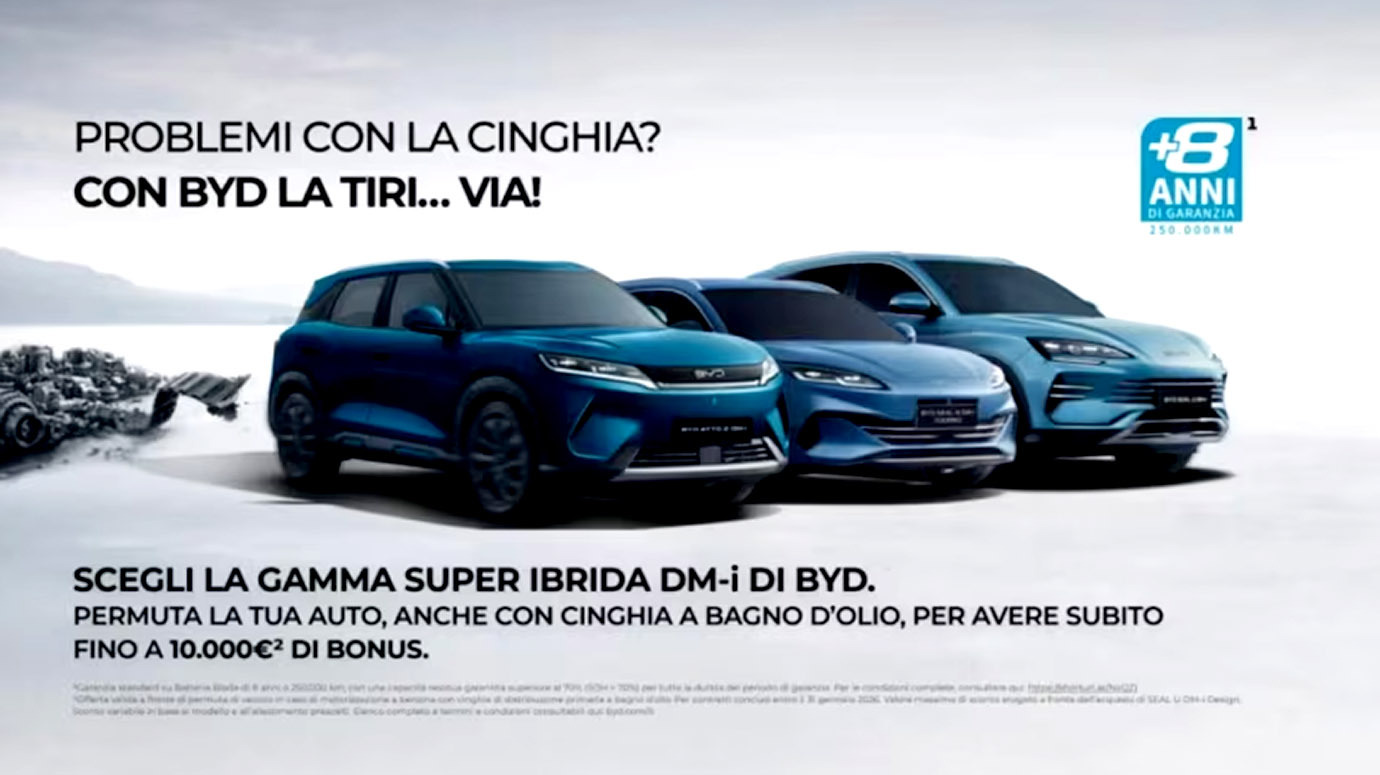
BYD used the ad to offer buyers up to €10,000 ($11,800) to those who bought a car and traded in a vehicle with a wet timing belt. That just happens to describe the timing system used in Stellantis’ PureTech engines, which run belts through a constant oil bath. These engines have been at the center of several recalls and warranty extensions linked to long-term reliability issues.
The question I was asking is, how is it defamation if it’s true. You seem to have wandered off onto a tangent of what constitutes ethical / civilised advertising.
More countries than not allow comparative advertising, and the world is not ending. Why use politics as an inaccurate example when the majority of countries actually practice it to some extent?
One thing can be true and still be unfair. A true thing can be misleading. The ruling exists to make the decision easier and make clearer what is allowed or not and what is good business practices:
“Truthfully and fair talking about your business opponent is hard, so let it be and talk about your own strength instead.”
We will see about that. ;-)