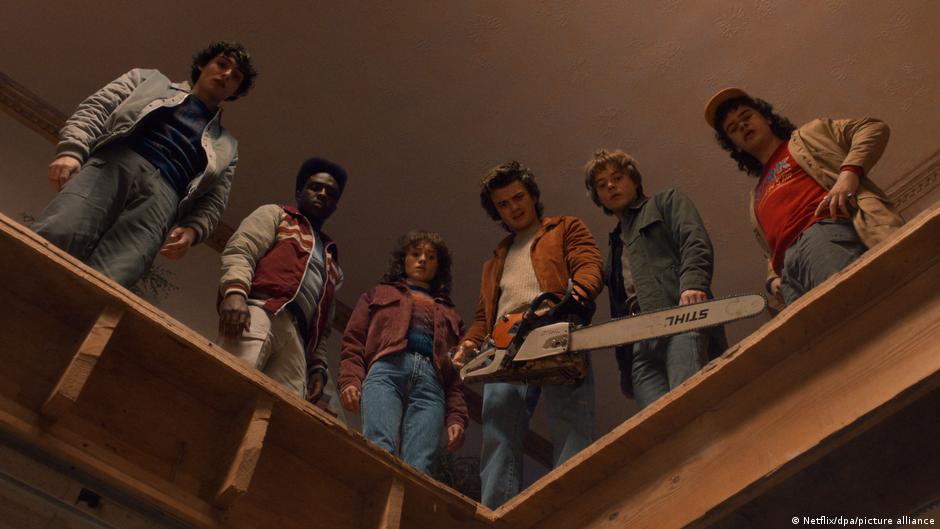
Netflix is increasingly designing films and series for distracted, second-screen viewers. DW's Scott Roxborough asks what it means for storytelling, visual language and the future of cinema as an art form.
While I don’t disagree with the crux of the article, I find it really strange to single out Netflix. There are a ton of outlets following similar patterns. The biggest offenders aren’t even traditional media, but social media.
It’s focused on more and more of their content being built around distracted/“second screen” viewing.
Which is fair I think.
But I agree with you that it’s more a case of Netflix just following the trend, not setting it. Netflix have had a few standout hits that can be seen, the big movie example given is K-pop demon hunters, however I would counter that by saying given its nature as a musical style movie that heavy exposition in and out of songs is more warranted.

While I don’t disagree with the crux of the article, I find it really strange to single out Netflix. There are a ton of outlets following similar patterns. The biggest offenders aren’t even traditional media, but social media.
It’s focused on more and more of their content being built around distracted/“second screen” viewing.
Which is fair I think.
But I agree with you that it’s more a case of Netflix just following the trend, not setting it. Netflix have had a few standout hits that can be seen, the big movie example given is K-pop demon hunters, however I would counter that by saying given its nature as a musical style movie that heavy exposition in and out of songs is more warranted.