

- cross-posted to:
- [email protected]
From emancipation to women’s suffrage, civil rights and BLM, mass movement has shaped the arc of US history
Trump’s first and second terms have been marked by huge protests, from the 2017 Women’s March to the protests for racial justice after George Floyd’s murder, to this year’s No Kings demonstrations. But how effective is this type of collective action?
According to historians and political scientists who study protest: very.
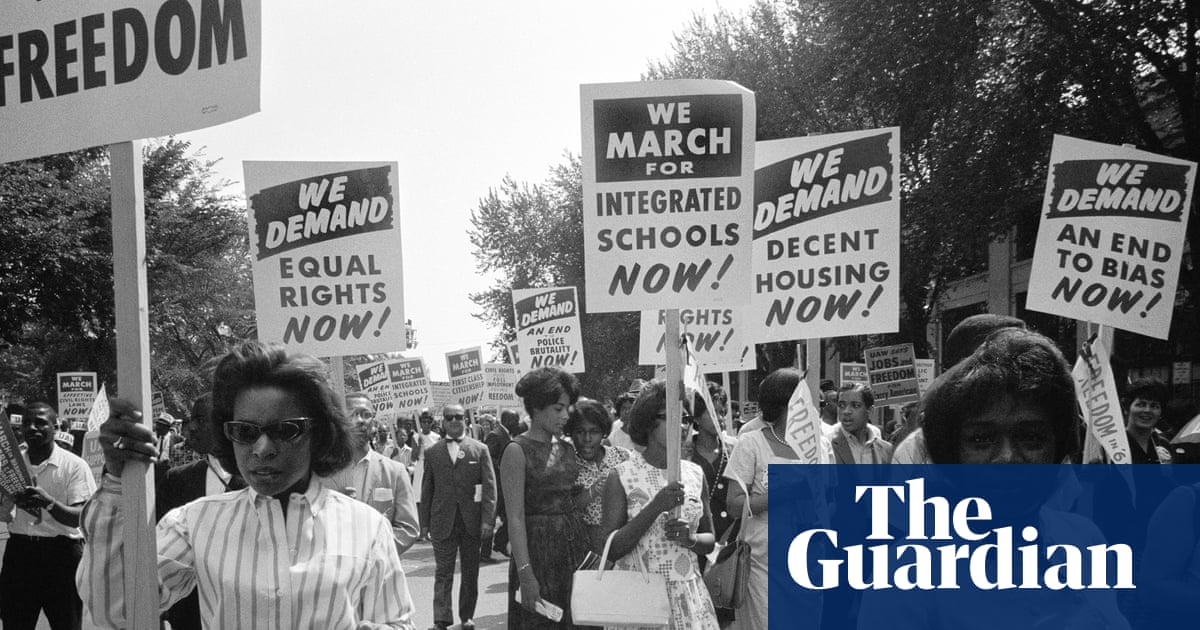
From emancipation to women’s suffrage, from civil rights to Black Lives Matter, mass movement has shaped the arc of American history. Protest has led to the passage of legislation that gave women the right to vote, banned segregation and legalized same-sex marriage. It has also sparked cultural shifts in how Americans perceive things like bodily autonomy, economic inequality and racial bias.
The most you can truthfully say is “not yet working.”
I mean it’s been a year, Project 2025 is half complete and America is closer to a fascist dictatorship than ever before. There are two realistic conclusions from here on out: Either Trump keeps his hold on power through the midterms (either by winning or launching a coup, probably the latter)—in which case it’s game over—or the Dems win a Congressional majority, in which case protests will have amounted to exactly nothing. There’s no universe in which Trump sees people holding signs on weekends and is like “oh I’m sorry for trying to become a fascist dictator.” You can’t appeal to slow progress either, because the GOP isn’t going to wait for you to slowly progress yourself out of fascism. What do you envision as the result of protests “working?” How would that look like?
And the Dems winning the midterms means nothing. They have rolled over already what makes people think they won’t continue to do so.
At the very least it would buy more time as they are not just doing whatever the leader of the other party demands of them. As long as democracy is functioning enough for it to even be possible for the opposition candidates to win you should do everything you can to make that happen. It’s a whole different ballgame when that slips away.