The planes are adaptable, multirole fighters that can, in fact, fly in all sorts of conditions. The problem is the ratio of maintenance hours to flight hours is really high. I was once quoted that it was an amortized $12k just to turn it on bring the engine to idle, and turn it off again.
Given that reality, in peace time, many operators will pick and choose when and where they fly. In wartime, of course, the way economy will either expand to handle the maintenance, or (more likely, imo) designs will pivot to something more manufacturable and maintainable.
The F-35 Lightning II faced significant, long-term restrictions preventing it from flying within 25 miles of thunderstorms or lightning due to a faulty Onboard Inert Gas Generation System (OBIGGS) that could not safely protect fuel tanks. Although fixed in 2024 via hardware/software updates, the jet remains sensitive to environmental factors like heavy rain, requiring specialized, climate-controlled hangers to prevent stealth coating degradation


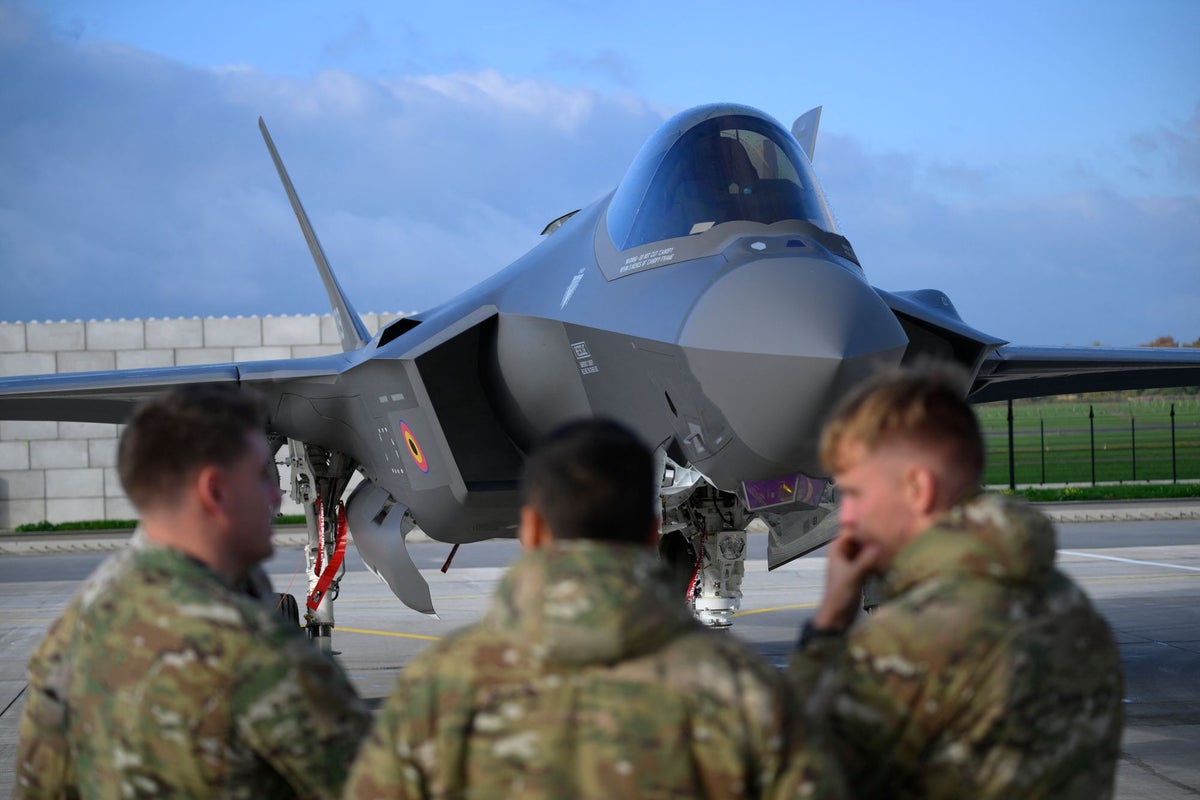
Sort of a joke that these planes can’t fly in anything but the most ideal conditions
The planes are adaptable, multirole fighters that can, in fact, fly in all sorts of conditions. The problem is the ratio of maintenance hours to flight hours is really high. I was once quoted that it was an amortized $12k just to turn it on bring the engine to idle, and turn it off again.
Given that reality, in peace time, many operators will pick and choose when and where they fly. In wartime, of course, the way economy will either expand to handle the maintenance, or (more likely, imo) designs will pivot to something more manufacturable and maintainable.