English translation
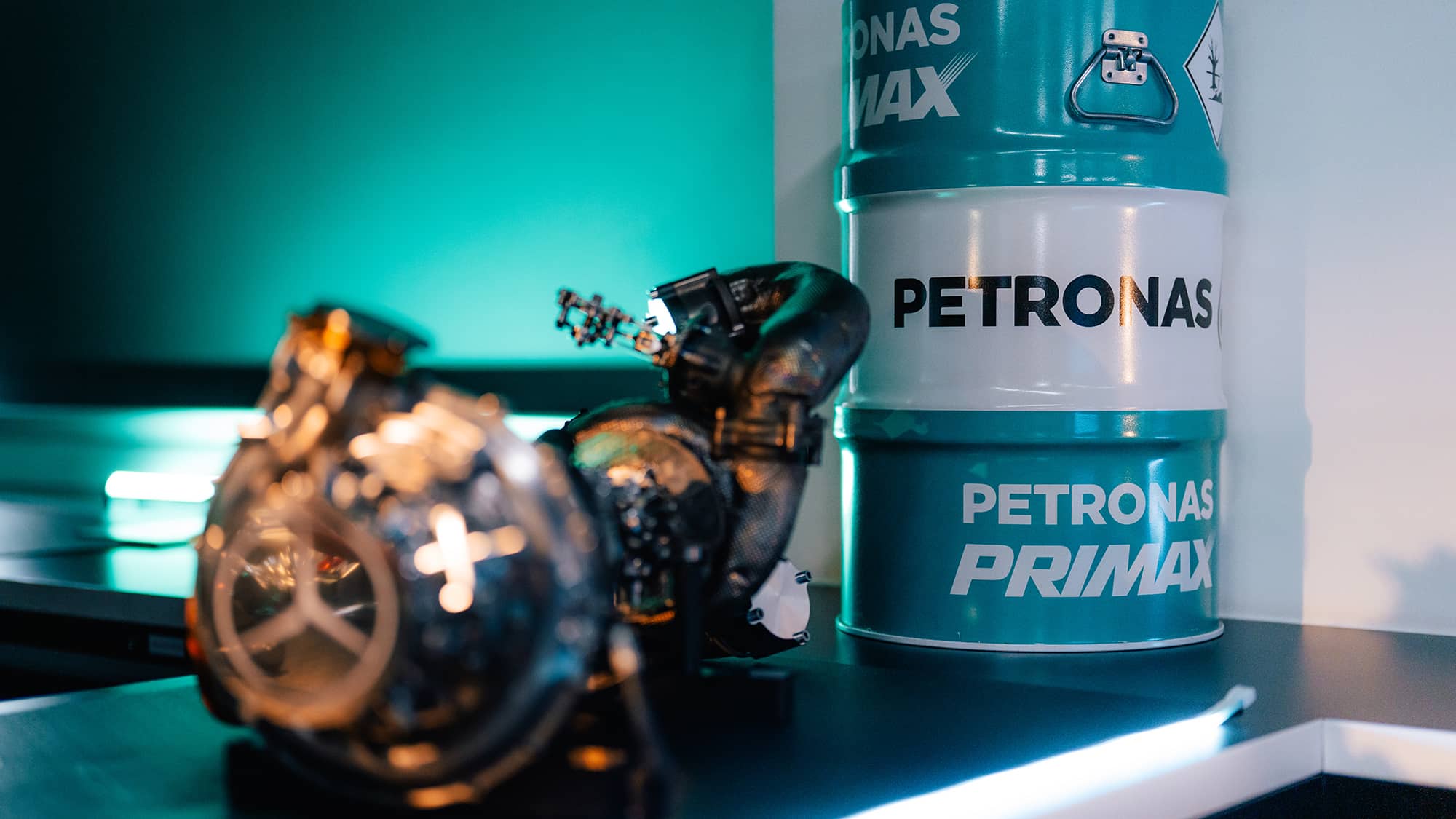
Mercedes is reportedly experiencing problems with fuel for its engines. Fuel partner Petronas is allegedly struggling with delays in the homologation of sustainable petrol. What does this mean for the start of the season in Melbourne?
Rarely has there been so much hype surrounding a Formula 1 team before the start of a season: even before the turn of the year, word leaked out that Mercedes had developed a clever trick for its combustion engine. In operation, the V6 turbo is said to achieve a compression ratio of 18:1. Since this season, however, the official limit, which is measured statically, has been 16:1. For weeks, opponents have been trying to get clarity from the FIA on this issue.
Before the start of the second Formula 1 test week in Bahrain (18 to 20 February), there is now the next controversy surrounding Mercedes. As our colleagues at ‘Motorsport.com’ have discovered, the Silver Arrows have a problem with fuel.
Supplier Petronas had not yet homologated its mixture around two weeks before the season opener in Melbourne (8 March). The regulations for approval have been drastically tightened this year. In the past, it was sufficient for fuel suppliers to send small samples for certification to a British laboratory belonging to the FIA. Approval was granted shortly afterwards and the fuel was homologated for the entire season.
Complex processes
Meanwhile, the British company Zemo is reviewing the process and granting homologation. It is no longer sufficient to send small samples to a laboratory. The entire manufacturing process is relevant for the certificate. And this is precisely where Petronas is said to be under pressure.
Zemo employees now travel to the production facilities and ensure that all criteria specified by the FIA are met. This also includes the certification of individual molecules supplied by partners involved in the production of the fuel. This complicates the entire process.
As part of the comprehensive rule changes for 2026, the fuel used in Formula 1 cars must now be 100 per cent sustainable. The premier class wants to continue reducing its carbon footprint. Formula 1 aims to achieve net greenhouse gas neutrality by 2030. The climate-neutral fuel used in the 22 racing cars accounts for a significant proportion of this.
Temporary solution?
If Petronas is unable to resolve the issue by Melbourne, another solution will have to be found. A total of four teams would be affected by the problem. In addition to the Mercedes works team, McLaren, Williams and, since this season, Alpine also use the power unit from Brixworth.
Formula 1 cannot afford to have eight cars unable to compete in the first race of the new era because the fuel is not homologated. As with the compression trick, they don’t want to create a situation that would result in a significantly reduced starting field in Australia. A fiasco like Indianapolis 2005 – when only six cars started – is to be avoided. A temporary solution will probably be found. The only question is how the other engine manufacturers will react.
Conclusion
Mercedes’ fuel manufacturer has reportedly not yet homologated its new fuel for the coming season. The certification processes for sustainable fuels have become significantly more stringent. If Petronas does not receive homologation by Melbourne, a temporary solution will have to be found.
Translated with DeepL.com
Wow, if Petronas/Mercedes HPP isn’t able to produce a fully bio fuel,that would be really embarrassing. Though maybe not surprising given how much of a petrol state Petronas’ Malaysia still is.
I wonder if they’ll force shell to sell their fuel to the Mercedes teams