

I’m in San Francisco, at an Italian joint just south of Golden Gate Park, enjoying meatballs and bacon not made of meat in the traditional sense but of plants mixed with “cultivated” pork fat. Dawn, you see, donated a small sample of fat, which a company called Mission Barns got to proliferate in devices called bioreactors by providing nutrients like carbohydrates, amino acids, and vitamins—essentially replicating the conditions in her body. Because so much of the flavor of pork and other meats comes from the animal’s fat, Mission Barns can create products like sausages and salami with plants but make them taste darn near like sausages and salami.
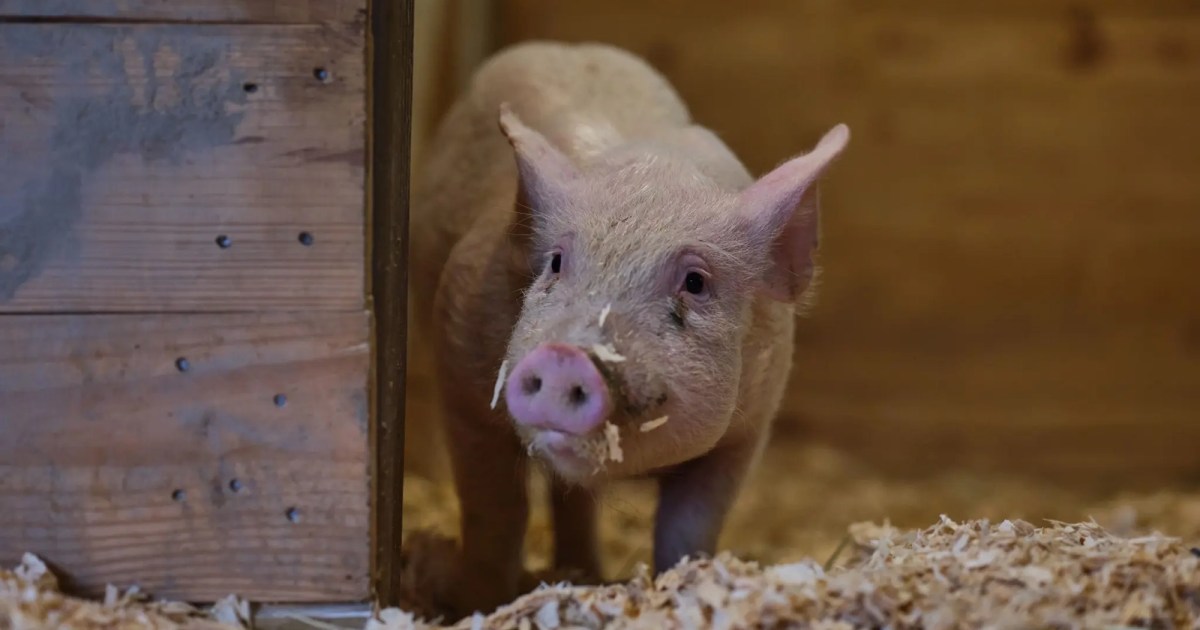
I’ve been struggling to describe the experience, because cultivated meat short-circuits my brain—my mouth thinks I’m eating a real pork meatball, but my brain knows that it’s fundamentally different and that Dawn (pictured above) didn’t have to die for it. This is the best I’ve come up with: It’s Diet Meat. Just as Diet Coke is an approximation of the real thing, so too are cultivated meatballs. They simply taste a bit less meaty, at least to my tongue. Which is understandable, as the only animal product in this food is the bioreactor-grown fat.
Excellent, more ultra processed material that our bodies have never encountered before and don’t know what to do with, what could go wrong with eating it in with other things that we aren’t supposed to be eating?
It’s exactly the same material.
Anything the body doesn’t know what to do with, it excretes.
Not a commentary on this particular product, but I don’t believe it’s quite so simple
Well, except for microplastics I guess. Those stick around forever.
Or, if someone doesn’t have the enzymes to digest it, it sits in their stomach and rots, which is fun.
It’s even more fun if you’re actually allergic to the proteins in meat, but I digress.
What you’re describing is called gastroparesis, and it’s a serious medical condition, not something that generally happens to people as a response to certain food.
I do think there’s reason to scrutinize a new food manufacturing process. From morphine to microplastics to sugar, we’ve got plenty of prior art thinking we were on top of the health implications.
But, if we are trading some human health risk for known environmental catastrophe & animal lives, I think shifting responsibility into our court is a good step.
Trust me; my body has encountered pig fat and knows just what to do with it.