For Brits who have tea multiple times a day, and because their appliances are 220v, an electric kettle makes sense. It can boil water in less than half the time the most powerful consumer microwave in the US can, because there’s no magic to a microwave - it can only put as much energy into water as it can draw from its electric circuit, about 2000watts, max.
Outside of those conditions, an electric kettle doesn’t make sense.
It’s still an unnecessary single use appliance if you already have a microwave. It’s not like boiling twice as fast is saving you a ton of time since we’re talking about a difference of like a minute or two.


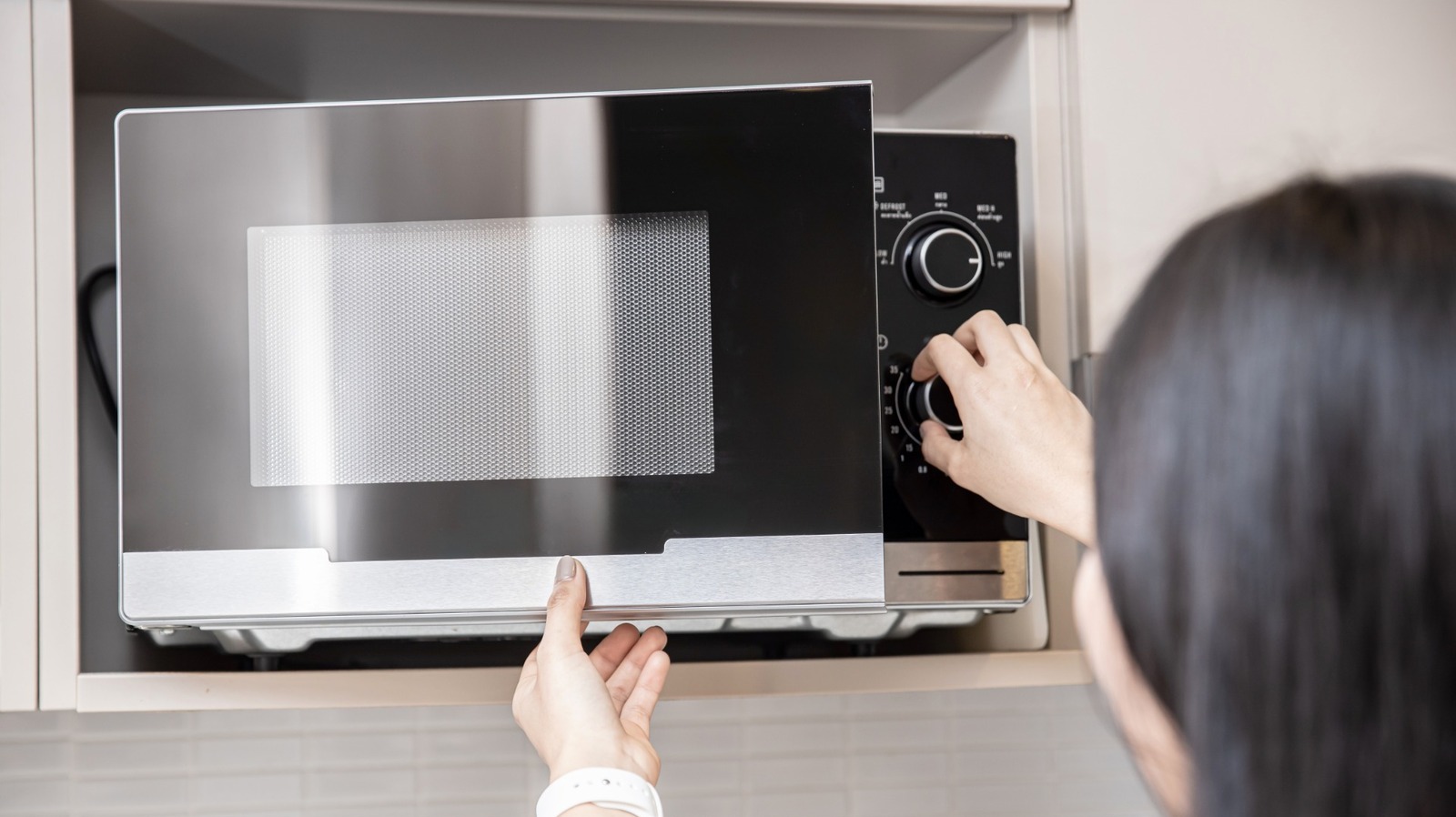
For Brits who have tea multiple times a day, and because their appliances are 220v, an electric kettle makes sense. It can boil water in less than half the time the most powerful consumer microwave in the US can, because there’s no magic to a microwave - it can only put as much energy into water as it can draw from its electric circuit, about 2000watts, max.
Outside of those conditions, an electric kettle doesn’t make sense.
Technology Connections has covered it, twice.
It’s still an unnecessary single use appliance if you already have a microwave. It’s not like boiling twice as fast is saving you a ton of time since we’re talking about a difference of like a minute or two.
You’ll probably find too that most microwaves have a rated power only around 1200W, and I’m betting not all of that is making it into the food either.
With British kettles allowing up to 3000W (230V 13A), I expect we’re talking more like a third of the time than a half.