So, homogenization? I could take it or leave it. But pasteurization? Literally no reason to reject it, outside of extremely niche recipes that you aren’t making. Going at raw cow titty juice seems absurdly stupid.
It’s one thing to drink raw milk if it’s on your farm and you are sure the animal is clean. Or other rural in person settings, still some risk there I’m sure idk how ecoli even works exactly.
But when you are buying raw milk from like facebook marketplace, and you have groups capitalizing on the raw milk movement to overcharge people for it, you are getting that raw milk from places you cannot trust to be clean.
Somewhat safer. Step one of making cheese is usually heating up the milk, so that can kill things on its own, then you are going to mix in an acid to get it to curdle probably lemon juice or something. Salt is often added as well. Once you’ve separated the curds and the whey, you end up having to age the cheese, and there are requirements for aging to ensure the possible bad bacteria sits with the salt for a while, say a couple months. It limits or gets rid of most of the possibility of things like salmonella growing in it. Soft cheeses I hear are more at risk than hard cheeses when it comes to raw milk. (More air I assume, less compact to the salt)
You left out adding yeast, which is the whole process. So you curdle, acid salt add maybe, then add yeast and let sit for months I presume?
Once the yeast process a food it’s a lot harder for other bacteria to use it as well, even when there are nutrients left in it, it appears to me as an amateur brewer of different alcohols and a few kombucha type drinks.
Yeah, I forgot to add it, but it’s not always needed. Rennet is used in things like mottz, but even then unless I am trying to make something I’ll serve to others I’m probably going to skip the rennet and just use an acid, I’ve even used salad dressings to start the curdling. I’m not very conventional when it comes to cooking. A “fuck it, this should work out interesting” is all to often my go to.
On a side note though, not using the rennet works well if your trying to make a cheese dip, as it isn’t usually as firm.
Rennet is a type of yeast stuff then? The name is familiar, never got into cheese specifically.
I often have that fuck it should work out, except for me it often does not work out well.
You are speaking to the proud owner of at least 15 gallons of apple cider vinegar because I was like, ah it’s fine, naturally fermenting, no need to pasteurize it and then innoculate it with yeast.
Under 5% alcohol the mother of vinegar can get in and convert the alcohol to yeast. Over 5 the alcohol kills the vinegar. I did have 2 five gallon batches that did ferment normal.
I love vinegar, I throw vegetables in the buckets of vinegar, so I will use it, eventually. I need to find some other uses for it maybe.
Yeah the rennet is some kind of enzyme.
Apple cider vinegar sounds great. I saw a 75% off organic honey a few months ago coming from Kroger’s distribution hub. So I got like 30 pounds of it. I made about 20 pounds of it into mead using champagne yeast and random fruits that were in season. Always fun to have simple idle projects sitting in the background. Gives you something to look forward too.
I do maple syrup, still kind of a mickey mouse operation no pump for a vacume yet so I am not competitive money wise, but I use off tasting syrup, and washings from bottling the syrup, to make a maple wine. Some of it is really good, some also turns into vinegar, I’ve way way too much vinegar, but it’s sort of like mead the maple wine, and gets a wide range of complex flavors all from the same ingredients, just water and syrup/concentrated sap and yeast, albeit different strains, which I’ve had trouble finding strains that work well. I’ve low temperatures so in season so that’s a factor, 50 degree fermentation or less.
But the stuff with wild yeast is interesting too, it changes the flavour, but is not particularly alcoholic. Everyone thinks the wild yeasts work well enough for alcohol and they really don’t usually but it depends, which is why wines traditionally had the emphasis on what year and regions it was from, as they were using the natural yeasts.
But taste wise the natural yeast might produce some of the best complex tastes in that regard. I also add some stuff occassionally, spruce tips, white pine needles, stinging nettle shoots. What else, yarrow shoots, blackberry roots, the really interesting one was burdock root, but it’s hard to get burdock root it always breaks off. The taste would be better elsewhere honestly but it’s interesting. Blackberry roots not so great I just have masses that I pull anyway.
That’s what he said: “extremely niche recipes you aren’t making.”
You ain’t some artisanal dairy in the French Alps that’s been making cheese the same way for 200 years, and neither are any of the lunatics complaining about US pasteurization laws.
Home cheesemakers ain’t 200-year-old artisanal dairies in the Alps, either! Literally almost everybody, including the vast majority of cheesemakers and 100.0% of hobbyist ones, are perfectly well-served by pasteurized milk.
In the U.S., unpasteurized cheese must be aged at least 60 days. In theory any pathogens in the milk will make themselves obvious in the finished product.


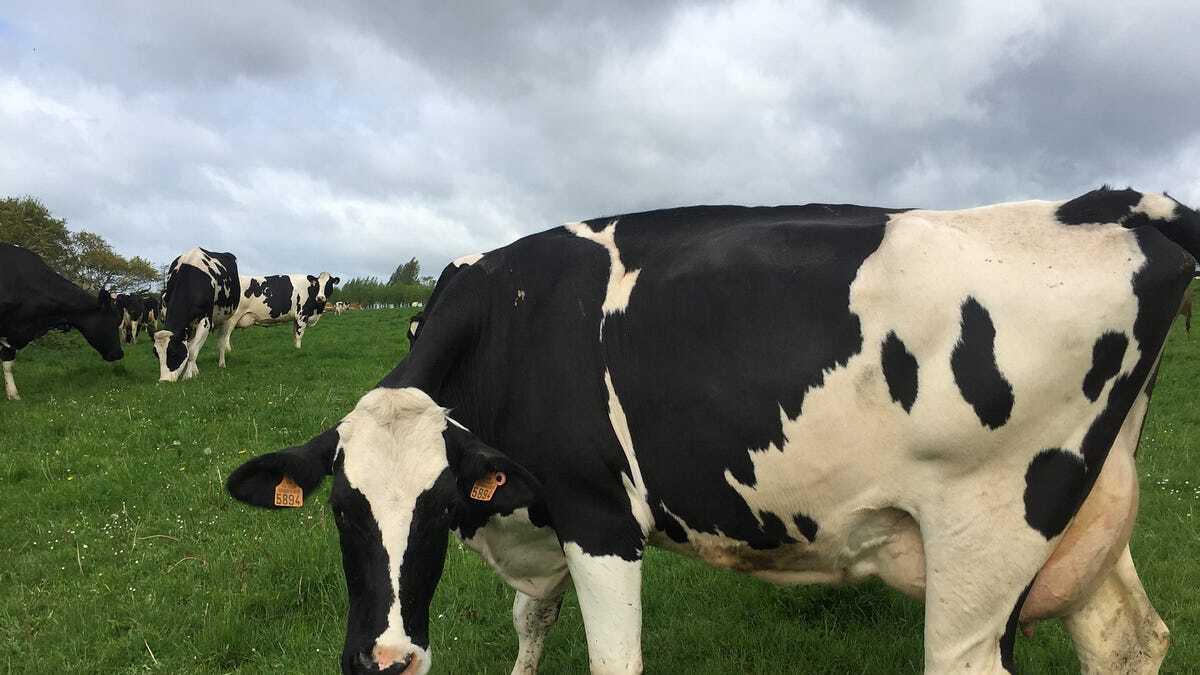
So, homogenization? I could take it or leave it. But pasteurization? Literally no reason to reject it, outside of extremely niche recipes that you aren’t making. Going at raw cow titty juice seems absurdly stupid.
Idk man , putting your mouth on a titty doesn’t sound bad.
It’s one thing to drink raw milk if it’s on your farm and you are sure the animal is clean. Or other rural in person settings, still some risk there I’m sure idk how ecoli even works exactly.
But when you are buying raw milk from like facebook marketplace, and you have groups capitalizing on the raw milk movement to overcharge people for it, you are getting that raw milk from places you cannot trust to be clean.
Lots of great cheeses made with raw milk, though I assume making cheese from it is somehow safer than consuming the raw milk itself.
Somewhat safer. Step one of making cheese is usually heating up the milk, so that can kill things on its own, then you are going to mix in an acid to get it to curdle probably lemon juice or something. Salt is often added as well. Once you’ve separated the curds and the whey, you end up having to age the cheese, and there are requirements for aging to ensure the possible bad bacteria sits with the salt for a while, say a couple months. It limits or gets rid of most of the possibility of things like salmonella growing in it. Soft cheeses I hear are more at risk than hard cheeses when it comes to raw milk. (More air I assume, less compact to the salt)
Depends. Cheeses that get soft by fermentation with fungi are safe.
You left out adding yeast, which is the whole process. So you curdle, acid salt add maybe, then add yeast and let sit for months I presume?
Once the yeast process a food it’s a lot harder for other bacteria to use it as well, even when there are nutrients left in it, it appears to me as an amateur brewer of different alcohols and a few kombucha type drinks.
Yeah, I forgot to add it, but it’s not always needed. Rennet is used in things like mottz, but even then unless I am trying to make something I’ll serve to others I’m probably going to skip the rennet and just use an acid, I’ve even used salad dressings to start the curdling. I’m not very conventional when it comes to cooking. A “fuck it, this should work out interesting” is all to often my go to.
On a side note though, not using the rennet works well if your trying to make a cheese dip, as it isn’t usually as firm.
Rennet is a type of yeast stuff then? The name is familiar, never got into cheese specifically.
I often have that fuck it should work out, except for me it often does not work out well.
You are speaking to the proud owner of at least 15 gallons of apple cider vinegar because I was like, ah it’s fine, naturally fermenting, no need to pasteurize it and then innoculate it with yeast.
Under 5% alcohol the mother of vinegar can get in and convert the alcohol to yeast. Over 5 the alcohol kills the vinegar. I did have 2 five gallon batches that did ferment normal.
I love vinegar, I throw vegetables in the buckets of vinegar, so I will use it, eventually. I need to find some other uses for it maybe.
Yeah the rennet is some kind of enzyme. Apple cider vinegar sounds great. I saw a 75% off organic honey a few months ago coming from Kroger’s distribution hub. So I got like 30 pounds of it. I made about 20 pounds of it into mead using champagne yeast and random fruits that were in season. Always fun to have simple idle projects sitting in the background. Gives you something to look forward too.
I do maple syrup, still kind of a mickey mouse operation no pump for a vacume yet so I am not competitive money wise, but I use off tasting syrup, and washings from bottling the syrup, to make a maple wine. Some of it is really good, some also turns into vinegar, I’ve way way too much vinegar, but it’s sort of like mead the maple wine, and gets a wide range of complex flavors all from the same ingredients, just water and syrup/concentrated sap and yeast, albeit different strains, which I’ve had trouble finding strains that work well. I’ve low temperatures so in season so that’s a factor, 50 degree fermentation or less.
But the stuff with wild yeast is interesting too, it changes the flavour, but is not particularly alcoholic. Everyone thinks the wild yeasts work well enough for alcohol and they really don’t usually but it depends, which is why wines traditionally had the emphasis on what year and regions it was from, as they were using the natural yeasts.
But taste wise the natural yeast might produce some of the best complex tastes in that regard. I also add some stuff occassionally, spruce tips, white pine needles, stinging nettle shoots. What else, yarrow shoots, blackberry roots, the really interesting one was burdock root, but it’s hard to get burdock root it always breaks off. The taste would be better elsewhere honestly but it’s interesting. Blackberry roots not so great I just have masses that I pull anyway.
That’s what he said: “extremely niche recipes you aren’t making.”
You ain’t some artisanal dairy in the French Alps that’s been making cheese the same way for 200 years, and neither are any of the lunatics complaining about US pasteurization laws.
Home cheesemaking is way more common of a hobby than you’re making it out to be.
All pointing this out is saying is that the solution needs a little bit of nuance.
Home cheesemakers ain’t 200-year-old artisanal dairies in the Alps, either! Literally almost everybody, including the vast majority of cheesemakers and 100.0% of hobbyist ones, are perfectly well-served by pasteurized milk.
Yes, but raw and pasteurized milk produce different flavors and textures. As long as it’s aged properly, it’s fine.
Literally all I’m suggesting is nuance in policy instead of a blanket ban. Allow people to get a license or something
How do you know? Maybe I am.
I know because the chance I’m wrong is absolutely minisule compared to the likelihood of the person being an anti-science nutjob.
In the U.S., unpasteurized cheese must be aged at least 60 days. In theory any pathogens in the milk will make themselves obvious in the finished product.
there is a place for natural fermentation with unpasteurized stuff. I am NOT doing it with milk. I’ll get my bacteria from sauerkraut or kimchi
mmm… kimchi… Dude, that shit is so good. I had a coworker who sold it in the breakroom, and it was fucking great.
Don’t forget lambics, there used to be a few I really enjoyed
Or fine filtered which will remove more bacteria without heating.