Dude! You’re getting a AI bloated monstrosity dell!*
–*Terms subject to change. Consumer has no rights. You own nothing. Operating system may insert AI against your will. Fuck you.
This is what computers feel like these days. Remember when you just BOUGHT the hardware, AND the software? So there was a reasonable expectation that the products were to do what we wanted them to do.
Now, somehow WE are the products. We own nothing. And it gets more restrictive every generation.
Even Android is becoming more closed source. And it will soon be harder to avoid AI. Android is still a google product remember. And you KNOW google wants us all using AI.
This was a big factor for me using linux for the past year, despite not knowing what I’m doing. Don’t know what I’ll do about cell phone though.
Yes. The phone is the real kicker. They’re gonna cut you off from modern life unless you buy into the Google ecosystem. More and more apps are required to do mundane things, ride a bus or train, book a ticket to an event, charge your car, split expenses with your friends or handle money in general. Gadgets and appliances have companion apps to properly make use of them. I’d have 5 authenticator apps on my phone to do paperwork. And I won’t be able to communicate with friends or find out if the shop is closed today unless I have an account and maybe the app of some platform. All of that is proprietary, part of surveillance capitalism. And it’s getting proceedingly more difficult to evade Google, because they’re slowly adding SafetyNet and device verification to many apps. And of course sprinkle some AI on top because that’s what we do and it aligns with the rest of it. Or Google just changes strategy and asserts more control over every phone user as needed for their corporate interests.
We’re not there yet. I still have GrapheneOS on my phone and I’m doing alright. It’s not very comfortable, though, and I can clearly feel which way we’re headed.
With the computer/laptop, it’s easy. Backup your data, wipe it and install Linux. It’s gonna take a while to get accustomed if you’re used to a different operating system… But I don’t think it’s more difficult to use or anything in the long run. The initial extra work is an investment that pays off later. I’m fairly sure Linux is the one platform that will resist and keep coming with default settings without AI and corporate surveillance.
Interestingly enough, it’s also used by big tech to power all the servers and AI services. But at the end of the day it empowers everyone.
I just switched to GrapheneOS myself – and yeah I’m feeling the inconvenience. Having to do workarounds curretly to get RCS working (T-Mobile, AT&T), not having an option for tap-to-pay bc “Your operating system is insecure” 🙄) and Google/Apple/SamsungPay are your only options. Haven’t tried adding any tickets or transit passes to see if they work with NFC yet.
In general I feel better finally having switched off stock android because in my friend group I’m the only digital privacy advocate and have been talking about doing it forever. However, as I continue to transfer to the new device, I notice more and more the number of apps that I use that are only available through the play store. Health and banking apps that are the only convenient way to use a service on mobile. Apps that are necessary if you travel a lot.
Basically it’s incredibly hard to de-google if you’re not in the apple ecosystem. I have one co-worker who has started “digital homesteading” (self-hosting) a lot of stuff for their family, and has discovered: it’s an incredible amount of stuff we offload into the cloud. E-mail, photos, personal documents, calendar, health, finances, streaming media instead of owning it. Transitioning all of that remote convenience to an on-prem setup at home (or a cloud VPS I guess) is very possible with self-hosted alternatives. But, it requires a high level of technical knawledge and expertise AND now you’re the IT person for all of that infrastructure.
I’ve been part of that game for a long time as well. I guess it used to be easier when things were a bit simpler, more transparent and less connected. But there’s no way this works in the modern world with the amount of complexity (and intransparency) stuffed into an average electric vehicle. Or getting a doctor’s appointment via Doctolib.
We better take care of this, though.
I wish selfhosting was a bit easier. I do that as well. My stuff is on a Nextcloud. We have all these alternatives available and it works quite well. We’d really need to make it available to everyone, though. Like a home wifi router, or a small device that people just plug in, with an unbreakable and maintanence-free selfhosting solution for home use. We have several projects aiming at that. But I don’t think we’re quite there yet. I think something like Home-Assistant is almost there, just for a different niche. It’s relatively easy to just buy a RaspberryPi or their box, set it up. It’s almost indestructible and by paying a few bucks a month they take care of making it available from outside and some money goes towards development and a healty community.
If you want your apps to be up to date, use flatpak. Mint prioritizes stability over keeping up to date, so their system repos are often behind on features.
Flatpak gives the best of both worlds, the tradeoff being much higher disk space usage and some apps not liking being sandboxed.
Mint prioritizes stability over keeping up to date
That’s a side effect of being a debian distro. Debian prioritizes stability, but fuck is it stable. If you want something cutting edge use an arch based distro.
Man pages are usually pretty good if your available search engines have gotten so bad as to not find the answer as they would rather serve ads than a function.
You can’t generally install Linux onto most (any?) existing phones that were not specifically made for it like the Pinephone, so I don’t know that it is helpful for extending the life of many devices.
I am not aware of any phones that don’t already support running Linux (Pinephone, Librem, and maybe one or two others) that can use Postmarket OS. I’d be both impressed and shocked if that has materially changed. Also, I have actually tried out Postmarket OS and it was not ready for use as a daily driver. That doesn’t mean people shouldn’t give it a try though, as it won’t ever get there if technically minded people don’t use it and feed helpful feedback.
I thought the entire point of Postmarket was to extend the life of older phones???
Edit: Yeah, it is. The list of supported phones has 3 Linux-first phones, and all the rest are just standard android phones that you then have to flash and install Linux onto
That device list is much bigger than it used to be! Good on them. Sadly, it doesn’t look like many/most of those devices are still usable except to tinker. I imagine it was just devices that devs had handy. I’m quite impressed that they got it working on the SGS III.
There was never a time, at least in my lifetime, where software wasn’t licenced and you actually owned it. The only real difference is that it was much harder to stop you from using it when, even if you went online, you weren’t online 24/7 and shit was slow, and your software came on physical media that wouldn’t change over time at the whims of the creator.
Even Android is becoming more closed source. And it will soon be harder to avoid AI. Android is still a google product remember. And you KNOW google wants us all using AI.
Me finding out Canta and Shizuku are a thing has been a massive game changer for me because it allowed me to get rid of Gemini (as well as a lot of other bloatware) on my phone. I really wonder how long that keeps being possible…


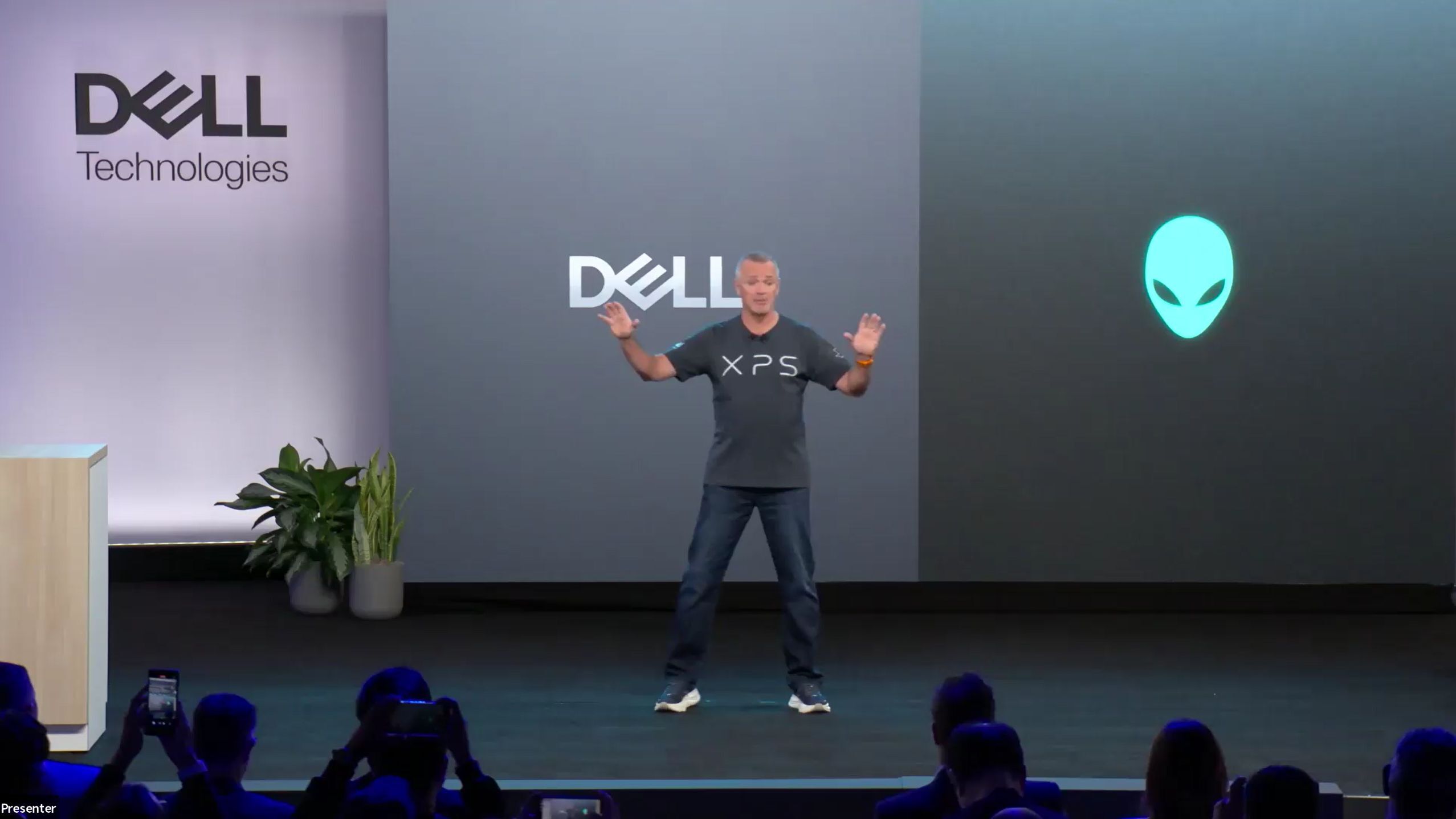
Dude! You’re getting a
AI bloated monstrositydell!*–*Terms subject to change. Consumer has no rights. You own nothing. Operating system may insert AI against your will. Fuck you.
This is what computers feel like these days. Remember when you just BOUGHT the hardware, AND the software? So there was a reasonable expectation that the products were to do what we wanted them to do.
Now, somehow WE are the products. We own nothing. And it gets more restrictive every generation.
Even Android is becoming more closed source. And it will soon be harder to avoid AI. Android is still a google product remember. And you KNOW google wants us all using AI.
This was a big factor for me using linux for the past year, despite not knowing what I’m doing. Don’t know what I’ll do about cell phone though.
Yes. The phone is the real kicker. They’re gonna cut you off from modern life unless you buy into the Google ecosystem. More and more apps are required to do mundane things, ride a bus or train, book a ticket to an event, charge your car, split expenses with your friends or handle money in general. Gadgets and appliances have companion apps to properly make use of them. I’d have 5 authenticator apps on my phone to do paperwork. And I won’t be able to communicate with friends or find out if the shop is closed today unless I have an account and maybe the app of some platform. All of that is proprietary, part of surveillance capitalism. And it’s getting proceedingly more difficult to evade Google, because they’re slowly adding SafetyNet and device verification to many apps. And of course sprinkle some AI on top because that’s what we do and it aligns with the rest of it. Or Google just changes strategy and asserts more control over every phone user as needed for their corporate interests.
We’re not there yet. I still have GrapheneOS on my phone and I’m doing alright. It’s not very comfortable, though, and I can clearly feel which way we’re headed.
With the computer/laptop, it’s easy. Backup your data, wipe it and install Linux. It’s gonna take a while to get accustomed if you’re used to a different operating system… But I don’t think it’s more difficult to use or anything in the long run. The initial extra work is an investment that pays off later. I’m fairly sure Linux is the one platform that will resist and keep coming with default settings without AI and corporate surveillance.
Interestingly enough, it’s also used by big tech to power all the servers and AI services. But at the end of the day it empowers everyone.
I just switched to GrapheneOS myself – and yeah I’m feeling the inconvenience. Having to do workarounds curretly to get RCS working (T-Mobile, AT&T), not having an option for tap-to-pay bc “Your operating system is insecure” 🙄) and Google/Apple/SamsungPay are your only options. Haven’t tried adding any tickets or transit passes to see if they work with NFC yet.
In general I feel better finally having switched off stock android because in my friend group I’m the only digital privacy advocate and have been talking about doing it forever. However, as I continue to transfer to the new device, I notice more and more the number of apps that I use that are only available through the play store. Health and banking apps that are the only convenient way to use a service on mobile. Apps that are necessary if you travel a lot.
Basically it’s incredibly hard to de-google if you’re not in the apple ecosystem. I have one co-worker who has started “digital homesteading” (self-hosting) a lot of stuff for their family, and has discovered: it’s an incredible amount of stuff we offload into the cloud. E-mail, photos, personal documents, calendar, health, finances, streaming media instead of owning it. Transitioning all of that remote convenience to an on-prem setup at home (or a cloud VPS I guess) is very possible with self-hosted alternatives. But, it requires a high level of technical knawledge and expertise AND now you’re the IT person for all of that infrastructure.
I’ve been part of that game for a long time as well. I guess it used to be easier when things were a bit simpler, more transparent and less connected. But there’s no way this works in the modern world with the amount of complexity (and intransparency) stuffed into an average electric vehicle. Or getting a doctor’s appointment via Doctolib.
We better take care of this, though.
I wish selfhosting was a bit easier. I do that as well. My stuff is on a Nextcloud. We have all these alternatives available and it works quite well. We’d really need to make it available to everyone, though. Like a home wifi router, or a small device that people just plug in, with an unbreakable and maintanence-free selfhosting solution for home use. We have several projects aiming at that. But I don’t think we’re quite there yet. I think something like Home-Assistant is almost there, just for a different niche. It’s relatively easy to just buy a RaspberryPi or their box, set it up. It’s almost indestructible and by paying a few bucks a month they take care of making it available from outside and some money goes towards development and a healty community.
Credit card in phone case, just saying. Also on gOS.
Welcome to capitalism, where everything is shitty so some rich white dudes can get richer.
I literally just switched to Mint over the holidays. Any advice?
Have fun and keep exploring, that’s my advice :)
If you want your apps to be up to date, use flatpak. Mint prioritizes stability over keeping up to date, so their system repos are often behind on features.
Flatpak gives the best of both worlds, the tradeoff being much higher disk space usage and some apps not liking being sandboxed.
That’s a side effect of being a debian distro. Debian prioritizes stability, but fuck is it stable. If you want something cutting edge use an arch based distro.
Absolutely, but that’s why I love the Mint + Flatpak combo. All the stability of Debian without the outdatedness. Arch feels too unstable for my taste
Man pages are usually pretty good if your available search engines have gotten so bad as to not find the answer as they would rather serve ads than a function.
Linux Phones and Linux Phone OS do exist, but they’re quite far behind on things, best for extending life of older ones than as your everyday
You can’t generally install Linux onto most (any?) existing phones that were not specifically made for it like the Pinephone, so I don’t know that it is helpful for extending the life of many devices.
Postmarket OS is explicitly for that
I am not aware of any phones that don’t already support running Linux (Pinephone, Librem, and maybe one or two others) that can use Postmarket OS. I’d be both impressed and shocked if that has materially changed. Also, I have actually tried out Postmarket OS and it was not ready for use as a daily driver. That doesn’t mean people shouldn’t give it a try though, as it won’t ever get there if technically minded people don’t use it and feed helpful feedback.
I thought the entire point of Postmarket was to extend the life of older phones???
Edit: Yeah, it is. The list of supported phones has 3 Linux-first phones, and all the rest are just standard android phones that you then have to flash and install Linux onto
https://wiki.postmarketos.org/wiki/Devices#Main
That device list is much bigger than it used to be! Good on them. Sadly, it doesn’t look like many/most of those devices are still usable except to tinker. I imagine it was just devices that devs had handy. I’m quite impressed that they got it working on the SGS III.
There was never a time, at least in my lifetime, where software wasn’t licenced and you actually owned it. The only real difference is that it was much harder to stop you from using it when, even if you went online, you weren’t online 24/7 and shit was slow, and your software came on physical media that wouldn’t change over time at the whims of the creator.
Capitalism. That’s the how.
Me finding out Canta and Shizuku are a thing has been a massive game changer for me because it allowed me to get rid of Gemini (as well as a lot of other bloatware) on my phone. I really wonder how long that keeps being possible…