

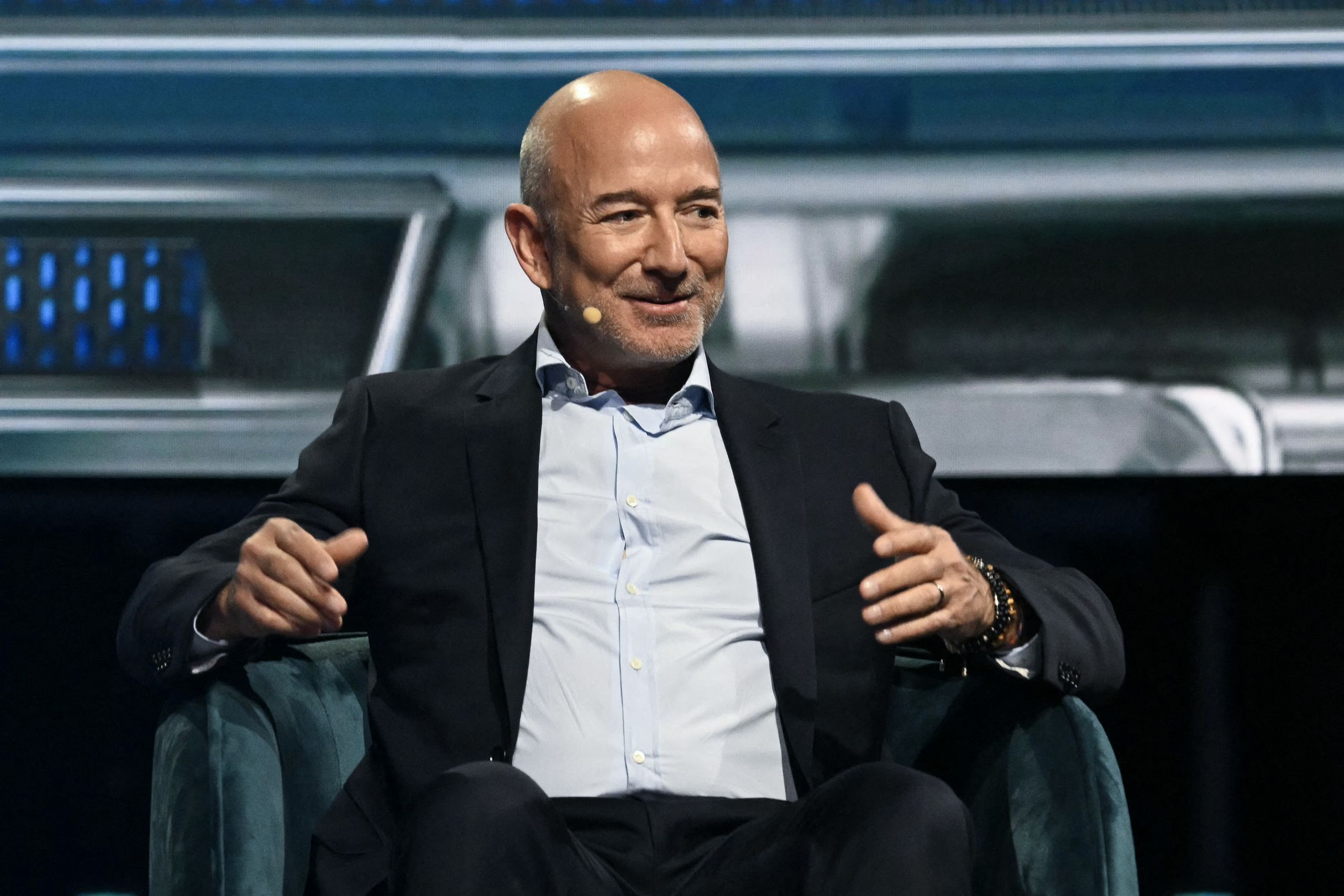
cross-posted from: https://piefed.social/c/technology/p/1664234/jeff-bezos-said-the-quiet-part-out-loud-hopes-that-you-ll-give-up-your-pc-to-rent-one-f
A few years ago, Amazon chairman Jeff Bezos revealed how he thinks of local PC hardware as antiquated, ready to be replaced by cloud options from companies like AWS and Azure.
Bucha Bull to me.
No, but I really don’t care, and I don’t really get people who do. Like your brain read it and understood it very easily, it’s not like I’m misspelling something where your brain has to put in extra work to figure out what dreme means or something. At least for me my brain just reads it “out loud” in my head where there, they’re and their have no differences.
Legit question why do you care? Does it make it more difficult to read or understand?
People who learned English as a second language may find it hard, especially if they predominately did so from written sources.
Legit answer: yes, it does make it more difficult to read, because it immediately derails my thought process as I get distracted by the lazy writing I’m presented with.
It’s lazy and what a MAGA Trumpist with a shit education would do.
The only thing using the wrong there shows is that you’re not an AI.